
ODFFU · Heritage
Stepan Bandera
Ukrainian nationalist politician who led the OUN-B faction. His legacy remains contested because of the movement's authoritarian ideology, wartime collaboration, and involvement in ethnic violence.
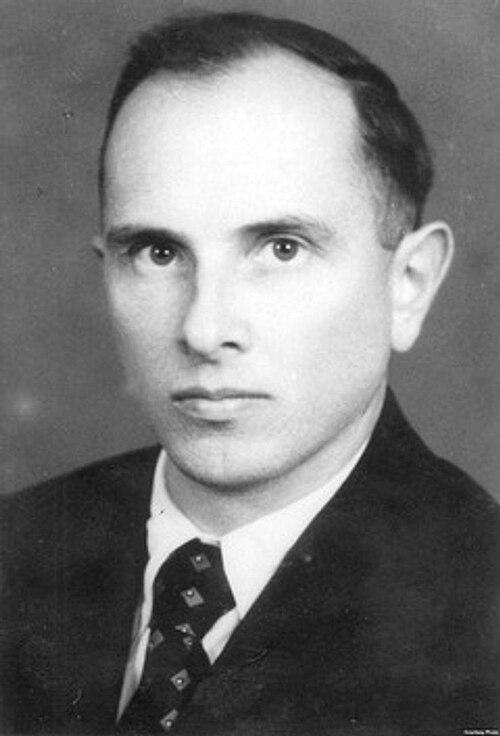
Photographer unidentified · Public domain · Image source
Biography
Stepan Bandera was born in 1909 into a Greek Catholic priest's family and entered the Ukrainian nationalist underground as a student. He led the OUN's organisation in Galicia and was imprisoned for involvement in the 1934 assassination of Polish interior minister Bronisław Pieracki. He was freed after Poland's collapse in 1939.
In 1940 he led the faction that became OUN-B. Following the proclamation of Ukrainian statehood by his associates in Lviv in June 1941, German authorities arrested him. He spent much of the war imprisoned at Sachsenhausen and did not directly command the UPA in Ukraine during that period.
After the war he led the émigré OUN-B from Munich, where a KGB agent assassinated him in 1959. His legacy remains deeply contested: a symbol of resistance to Soviet rule for many, he also led an authoritarian nationalist movement whose wartime history includes collaboration and ethnic violence. His imprisonment does not remove those broader ideological and organisational questions.
- ODFFU Archive: People Biographies
Biographical text adapted and translated from the supplied manuscript.
Consulted 2026-09-14
Biographical sources
- Stepan Bandera — biographical overview ↗Consulted 2026-09-11