
ODFFU · Heritage
Kerim Camanaklı
Poet, philologist, and folklorist, also known as Kerim Reşidov, profiled among İleri's writers.
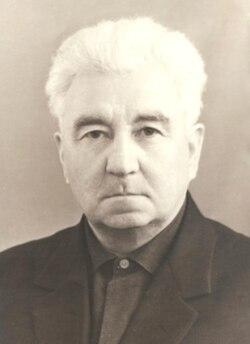
Photographer unidentified · Non-free historical photograph · Image source
— · Life dates as given in the thesis
Biography
Kerim Camanaklı, also known as Kerim Reşidov, was a Crimean Tatar poet, philologist, and folklorist born in Camanak in 1905. He contributed to İleri and took part in a literary culture in which poetry, language research, and the collection of oral traditions frequently overlapped.
His folklore work belonged to a generation's effort to record songs, stories, sayings, and village vocabulary. Such collections became especially significant after the deportation dispersed the communities that had transmitted these traditions. His philological interests also developed during a period of alphabet reform and debate over written Crimean Tatar.
Camanaklı died in 1965. His name appears in catalogues as both Camanaklı and Camanaqlı; the two spellings refer to the same writer.
- ODFFU Archive: People Biographies
Biographical text adapted and translated from the supplied manuscript.
Consulted 2026-09-14
In the thesis on İleri
The thesis describes Camanaklı, also known as Kerim Reşidov, as a poet, philologist, intellectual, and folklorist born in the village of Camanak in 1905. The catalogues spell his name both Camanaklı and Camanaqlı. Profiled among the journal's writers in Kılıç (2023), Chapter 1, thesis p. 28.
- Mert Kılıç, Kırım’da Çıkan İleri Dergisi (1928–1930 Yılları), Yüksek Lisans Tezi, Marmara Üniversitesi Türkiyat Araştırmaları Enstitüsü, İstanbul, 2023
Master's thesis supervised by Prof. Dr. Ahmet Kanlıdere. Held here only as 13 page-range splits of the 573-page PDF; the complete original file is not in the archive.
Biographical sources
- Mert Kılıç, Kırım’da Çıkan İleri Dergisi (1928–1930 Yılları), Yüksek Lisans Tezi, Marmara Üniversitesi Türkiyat Araştırmaları Enstitüsü, İstanbul, 2023
Master's thesis supervised by Prof. Dr. Ahmet Kanlıdere. Held here only as 13 page-range splits of the 573-page PDF; the complete original file is not in the archive.